YouTube Growth Tips: Subscribers, Watch Time and the Algorithm
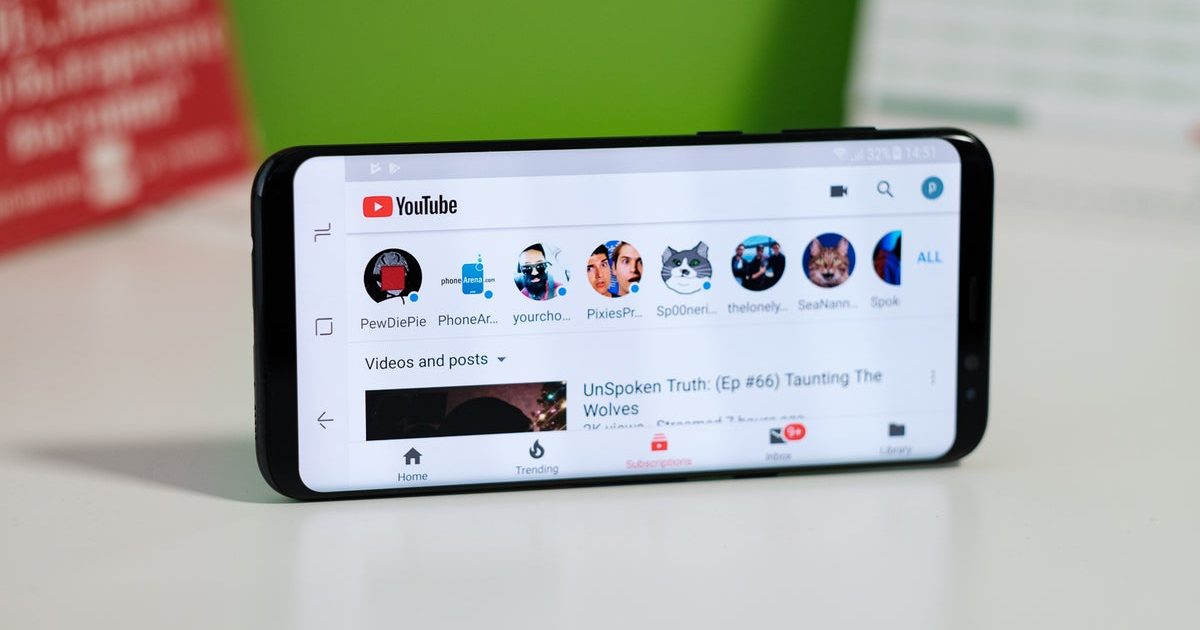
YouTube is the platform where patience pays and shortcuts are punished. It is also where clients often spend the most per order, because the signals that matter — subscribers, views on long videos, watch time — are expensive to produce and visibly valuable. That combination makes YouTube a high-margin category for resellers who genuinely understand the platform.
This guide covers the essentials: how the algorithm weighs subscribers and watch time, which services belong in a panel catalog, how to pace delivery on a stricter-than-average platform, and the content fundamentals clients need regardless of what they buy. Honest framing matters more here than anywhere — purchased numbers that outrun real content performance stand out immediately.
Key Takeaways
- YouTube growth is driven by click-through rate and watch time together, so purchased subscribers only help when the channel also earns real views.
- Views and likes on new uploads are the safest, most sellable YouTube services; subscriber growth needs careful drip-feed pacing.
- Thumbnails and titles are the highest-return content fundamentals — coach every client on them.
- Package YouTube services around new uploads rather than channel-wide vanity numbers.
- Watch-hour services exist, but honest positioning about their role protects your reputation.
How the YouTube Algorithm Actually Works
YouTube's recommendation system asks two questions about every video: how likely is someone to click it, and how satisfied will they be if they do. Those forces — click-through rate and watch time — pull against each other. A shocking thumbnail that over-promises gets clicks but destroys retention; a bland title gets neither. Channels grow when they win both at once.
Subscribers matter, but not how clients think
Subscribers are a proxy for an audience that wants to return. New videos get shown early to a slice of them, and their response helps decide how far a video spreads. A channel with purchased subscribers who never watch has the number without the distribution — so subscriber services belong behind strong content, never in front of it.
Watch time is the currency
Total minutes watched and average view duration decide whether a video keeps getting recommended, which is why long-form dominates YouTube economics and why serious creators obsess over retention curves. Services can polish the visible surface, but retention is earned in the editing timeline.
YouTube Services That Make Sense in a Panel
YouTube is the category where curation matters most, because clients scrutinize results and expectations run high. A practical core list:
- Views on new uploads — the anchor product, targeted at the first day or two after publication when momentum matters most.
- Likes — safe and complementary; keep like-to-view ratios in realistic proportion.
- Subscribers — the premium product; drip-feed only, with quality tiers explained up front.
- Shares and comments — useful for channels building a community; sold with careful expectation-setting.
- Watch hours — custom-quoted in most panels; be transparent that they supplement rather than replace real viewership.
One packaging tip: build bundles around the moment of upload — views and likes delivered across the first seventy-two hours after a video goes live. That framing matches how the algorithm evaluates new videos, and it gives clients a repeatable ritual that generates recurring orders. The margin math for these bundles is covered in our guide on how to price SMM services.
Content Fundamentals Every YouTube Client Needs
Before a client spends a dollar on services, three fundamentals determine whether that spend has anything to build on.
Thumbnails and titles as a single unit
The thumbnail earns the click and the title frames the promise. Clients should design both together and study the packaging of successful channels in their niche. Most underperforming channels have a packaging problem long before they have a content problem.
Openings that protect retention
Viewers decide within the first fifteen seconds whether to stay. Open with the payoff, preview what is coming, and cut dead air at the start. The same hook discipline that works on short-form platforms applies to YouTube.
A consistent publishing rhythm
Channels compound when the system learns what to expect. A sustainable weekly or biweekly schedule outperforms bursts followed by silence, and it gives purchased momentum a steady stream of uploads to support. The same principle anchors our Instagram growth strategies guide.
Pacing and Package Design for YouTube
YouTube is stricter than TikTok or Instagram about sudden counter movements, and its detection systems are mature. Pacing rules that keep client channels safe:
- Deliver new-upload views across the first day or two, rising then tapering like an organic traffic curve.
- Drip-feed subscribers over days or weeks, sized to the channel's current growth rate rather than its ambitions.
- Keep every ratio plausible — likes proportional to views, comments proportional to both.
- Never stack everything at once. A channel gaining ten thousand subscribers and two hundred views in the same week has created a visible contradiction.
- Sync with the upload calendar. Services land hardest when they support videos published within hours.
Getting this right is largely configuration: drip-feed rates and delivery windows are set per service in the dashboard. Renting a panel to learn on is inexpensive — the Baby plan runs $5 per month with scheduling tools included — and the how it works page shows the full order workflow.
Common YouTube Growth Mistakes
- Buying subscribers for a channel with weak views. The mismatch is the first thing viewers and sponsors notice when evaluating a channel.
- Chasing monetization thresholds only. Clients who buy watch hours without an audience plan stall again the moment delivery ends.
- Boosting old videos. Recommendation momentum lives in the days right after upload; evergreen search traffic is a different game.
- Treating services as the strategy. On YouTube more than anywhere, purchased numbers are a gloss that only looks good on genuinely healthy channels.
Each of these is an expectation-setting opportunity — a short onboarding message about ratios and timing prevents most disputes before they start.
Frequently Asked Questions
Do purchased YouTube subscribers help a channel grow?
They help most with perception — a channel with a healthy subscriber count is taken more seriously by viewers, sponsors, and partners. Distribution is earned through watch time, though, so subscribers should trail real content performance rather than lead it. Coach clients to buy modestly and publish consistently.
What is the best YouTube service to sell first?
Views and likes bundled around new uploads. The purchase aligns with the moment the algorithm is actually evaluating a video, results are visible quickly, and satisfied clients naturally upgrade to subscriber packages once they trust your delivery.
How fast can subscribers be delivered safely?
Across days at minimum, at a rate consistent with the channel's existing growth. A channel gaining a handful of subscribers a day organically should not receive hundreds overnight. Configure drip-feed conservatively and document the reasoning for clients.
Can watch-hour services get a client monetized?
They can contribute toward the public watch-hour requirement, but a channel with purchased hours and no real audience struggles the moment it needs genuine viewers. Position watch-hour services honestly as a supplement and you will avoid the disputes that come with over-promising.
We help resellers and agencies launch and grow profitable SMM panels — without touching a server. Questions? Talk to us.
Keep Reading
Growing on X (Twitter): A No-Nonsense Guide
Growing on X (Twitter) rewards presence over polish. Here is a no-nonsense guide to the services, pacing rule…
Oct 9, 2026
Facebook Page Growth Strategies That Still Work
Facebook page growth is far from dead for local businesses and community brands. Learn which services still s…
Oct 8, 2026
TikTok Growth: A Practical Guide for Brands and Creators
A practical TikTok growth guide for brands and creators: what the algorithm rewards, which services sell, and…
Oct 6, 2026